Dear Esther
Fantasy · Mystery
Fantasy · Mystery
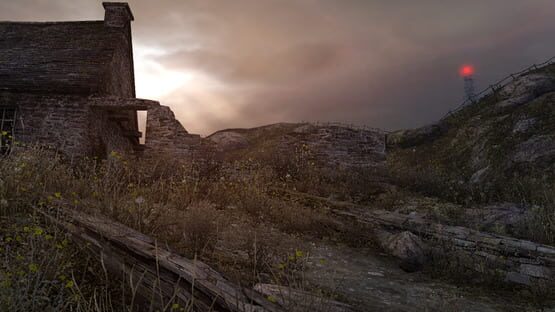
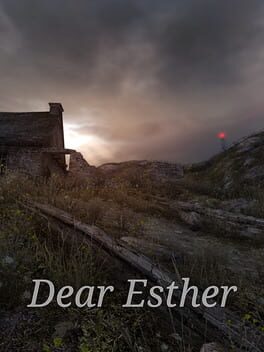
A walking simulator that prioritizes atmosphere and narrative over traditional gameplay, this title casts players as an unnamed protagonist exploring a remote island. Environmental storytelling unfolds through fragmented voice-over as you traverse the stunning landscapes. Its impact lies in its minimalist design, which replaces puzzles and combat with a focus on emotional resonance and the power of words, forging a unique and memorable experience.
About Dear Esther
View Game DetailsDetailsAlso on the game page: screenshots, prices, playtime and more →
Top 4 Alternatives to Dear Esther
What Remains of Edith Finch
2017 · Adventure
What Remains of Edith Finch
2017 · Adventure · Indie
This game shares Dear Esther's focus on a fragmented, evocative narrative told through a first-person journey, but instead of an island, you explore a sprawling, surreal house, each room a portal to a different family member's tragic story.
Why recommended
- Features a unique narrative structure where each segment tells a self-contained story of a family member's demise, much like Dear Esther's shifting monologues and interpretations.
- Criteria compliance: Strong Story is the core, with a powerful emotional arc driven by the exploration of a family's history and the mysterious 'curse' that plagues them.
- The first-person exploration is interwoven with diverse, dreamlike gameplay mechanics that serve the storytelling, enhancing the sense of wonder and melancholy.
Everybody's Gone to the Rapture
2015 · Adventure
Everybody's Gone to the Rapture
2015 · Adventure · Indie
This game offers a similar 'walking simulator' experience to Dear Esther, focusing on unraveling a mystery in an abandoned English village, where the narrative is pieced together through environmental clues and ethereal echoes of past events.
Why recommended
- The core gameplay involves slowly exploring a deserted environment to uncover the story of what happened to its inhabitants, reminiscent of Dear Esther's narrative delivery.
- Criteria compliance: Strong Story is conveyed through fragmented audio logs and glowing light figures that replay past conversations, gradually revealing a complex, emotional narrative.
- The game's focus on atmosphere, mystery, and a contemplative pace makes it a spiritual successor to Dear Esther's style of narrative-driven exploration.
Gone Home
2013 · Adventure
Gone Home
2013 · Adventure · Indie
Like Dear Esther, this game trades traditional action for quiet exploration, piecing together a deeply personal narrative through environmental clues in a seemingly abandoned house, evoking a similar sense of melancholic discovery.
Why recommended
- Both games excel at delivering a narrative primarily through environmental storytelling, where the player's interaction with objects and spaces reveals character and plot.
- Criteria compliance: Strong Story is central, unfolding through found letters, journals, and audio logs that detail the lives of the family members.
- The first-person perspective and focus on solitary exploration create an intimate, atmospheric experience where the player is left to interpret events and emotions.
Firewatch
2016 · Adventure
Firewatch
2016 · Adventure · Indie
While set in a different environment, Firewatch captures the same isolated, introspective mood as Dear Esther, with a compelling mystery unfolding through environmental discovery and a strong, character-driven narrative.
Why recommended
- The game emphasizes exploration of a beautiful, isolated natural environment, where the player uncovers clues and progresses the story through discovery.
- Criteria compliance: Strong Story is delivered through compelling dialogue between the protagonist and his supervisor, developing character relationships and a central mystery.
- The first-person perspective immerses the player in the wilderness, fostering a sense of solitude and unease as the narrative unfolds.
Explore Dear Esther in detail
Screenshots, prices, playtime, streams and more
Personalize this list
Starts with Dear Esther; choose criteria or wildcard mode in the builder.